
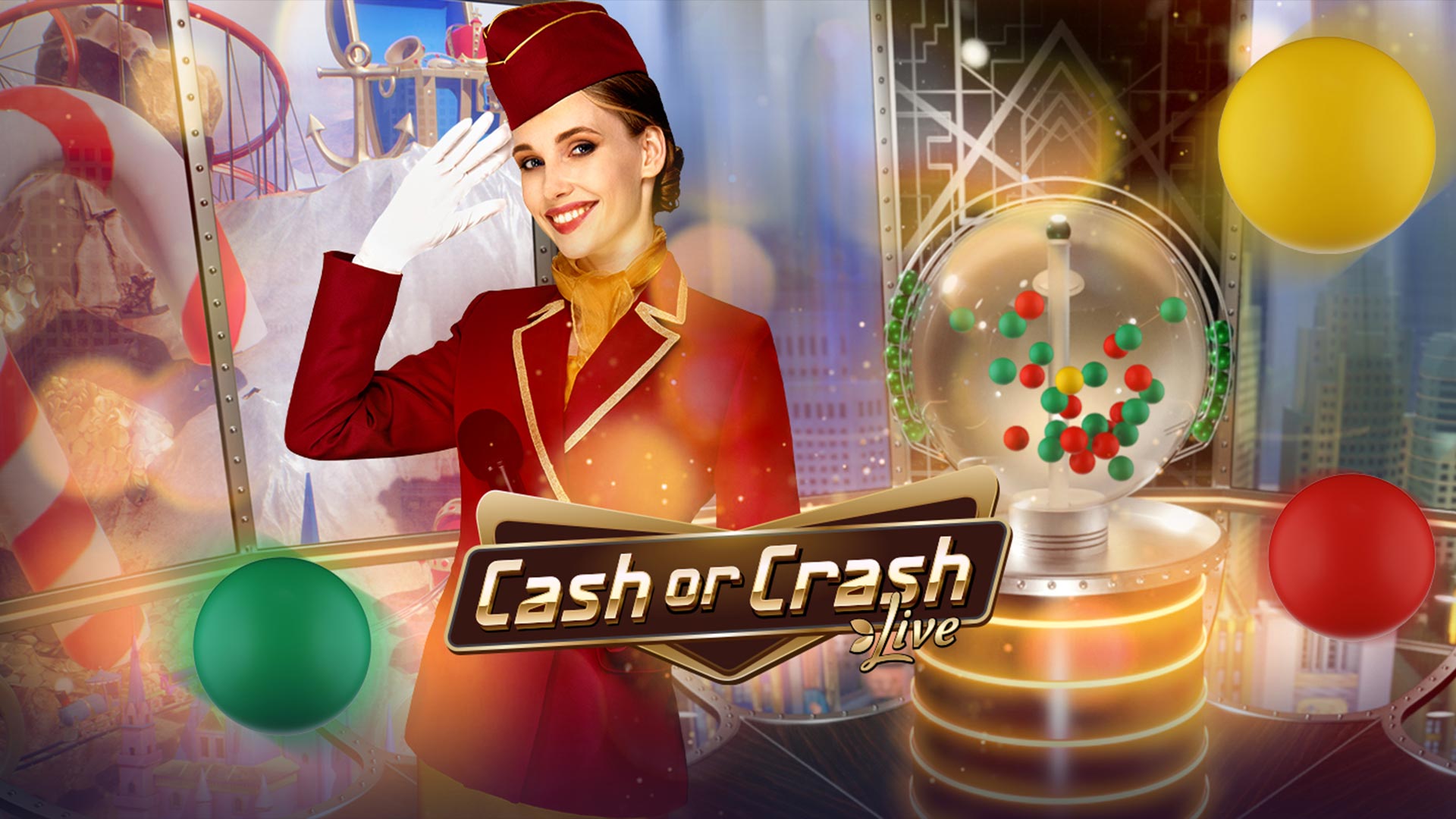
Among live dealer casino games, Cash or Crash Live occupies a unique spot https://cashorcrash.uk/. It blends the thrill of a high-risk multiplier game with the calm atmosphere of a spa. This isn’t an accidental contrast. The whole concept centers on a massage session, a smart setting for the game’s dramatic possibilities. That two-sided nature, where profound peace coexists with real risk, influences the whole experience. Setting up to play means more than memorising odds. You must align with the game’s measured, unhurried rhythm. Think of it like preparing for a wellness treatment. Walking in with that concentrated mindset can shift your approach. It results in steadier judgments when the stakes climb. This guide explains how to get ready for both sides of the experience: the gratifying ‘cash’ and the unavoidable ‘crash’.
Analyzing Betting Strategies and Payout Psychology
Once your approach and surroundings are organized, you can explore actual tactics for the big question: when to cash out. Cash or Crash Live is a chance game, not a knowledge test. But having a structure steers your choices. Players typically favor one of two basic approaches. The cautious method is to cash out at the first or second multiplier. You lock in small, regular wins and acknowledge you’ll never hit the jackpot. The ladder strategy means defining fixed cash-out points in advance, like 2x, then 5x, then 11x, and adhering to them no matter what. Some test a ‘reverse ladder’, risking a tiny part of their bankroll to go after big multipliers while the main stake remains safe. Here’s the challenging part: the game affects your psychology. It thrives on loss aversion and the fear of missing out. Watching the multiplier hit 50x after you collected at 10x stings. You have to reframe that feeling. It was a win based on your plan. Remember, no system beats the house edge long-term. Your goal is to choose a strategy that fits your tolerance for risk and makes the game more fun for you.
The Role of the Live Host and Ambient Involvement
In Cash or Crash Live, the host is more than a card dealer. They are the orchestrator of the complete relaxation theme. Their voice, their manner, also their scripted lines are intended to uphold the massage session illusion. A skilled host keeps perfectly composed, a stabilizing presence while the multipliers climb to dizzying levels. This atmospheric pull is a asset you can use. Pay keen attention to the host’s words. They often repeat the stakes or give a calm pause before a new suitcase opens, offering you a natural moment to think. The studio’s design—muted colours, warm lighting, no flashy graphics—is a conscious effort to keep from overwhelming your senses. A good preparation tip is to view a few rounds without betting. Get used to the pace, the host’s cadence, the rhythm of crashes and wins. Let the environment become recognizable. When you finally play, you’ll adapt to the game’s mechanics, not get jumpy because of its presentation. This deep immersion sets the game apart from other crash titles. Using it is a hallmark of a savvy player.
Cultivating the Right Approach for Stress and Letting Go

Your headspace matters more than any complex betting system in this case. Cash or Crash Live relies on a cycle of creating pressure and unexpected release, much like a deep massage followed by relief. To manage it, try a stance of detached observation. Consider each round as a unique piece of data in your wider session. Don’t get emotionally attached on every suitcase. Let the serene studio setting work for you. Use the host’s relaxing tone as a cue to breathe and calm yourself. It stops you from acting on panic. Before you begin, establish a firm intention. Tell yourself this session is for enjoyment within a set limit, not a frantic attempt to win back losses. Accept the crash. It’s a certain part of the rhythm, not a mistake you made. When you do cash out, see it as a plan working perfectly. It’s not a missed chance for more money. Moving from greed to a disciplined plan turns the game around. It becomes a intriguing puzzle, not an emotional rollercoaster. You start to recognize the craft behind it—how relaxation magnifies the thrill of risk.
Pre-Game Routine for Ideal Play
Your physical setup is the foundation for that calm mindset. A disorganized, distracted environment causes bad calls. A good pre-game routine keeps you in charge. This isn’t about lucky charms. It’s about engineering good conditions for clear thinking, much like setting up a space for focused work. Go over this list before you play.
- Financial Parameters: Establish a session budget using only extra funds. Pick a base bet size that lets you endure more than just a few rounds.
- Technical Setup: Test your internet connection. Lag during a cash-out decision is a nightmare. Make sure your device is charged. Shut down extra apps and browser tabs to ensure smooth performance.
- Environmental Control: Pick a quiet spot where you won’t be disturbed. Headphones help. They surround you with the game’s audio and the host’s commentary, which can sometimes indicate the mood.
- Personal Readiness: Play when you’re actually rested, not tired or wired from something else. Place a glass of water handy. Configure an alarm for when your session should end, so fatigue doesn’t creep in.
Comprehending the Core Gameplay Loop
Let’s go directly to how Cash or Crash Live functions. It’s a live game show. You put down a bet, then watch a series of rounds. In each round, a host—your ‘masseur’ or ‘masseuse’—unlocks a suitcase. Inside is a a cash multiplier or a ‘crash’ symbol. Notice a multiplier? Now you choose. You can cash out immediately, collecting your bet multiplied by that value. Or, you can risk it, letting it ride to the next round for a greater potential win. But if a crash symbol appears, any bet still in play for that round vanishes. The loop appears simple. The tension arises from the climb. Multipliers get larger, but the chance of a crash increases with each step. Don’t treat the live studio as just a nice picture. The soft lights, the host’s calm voice, the gentle soundtrack: they’re all part of the game’s design. This atmosphere attempts to take the edge off your panic, making those high-pressure choices feel more considered. Understanding this loop inside out is where your preparation starts.
Controlling Bankroll Through Volatility Cycles
Handling your funds in Cash or Crash Live hinges on one word: volatility. The game may deceive you. It could produce a long run of small multipliers, giving you a sense of safety, before a crash clears the board. Or it could unexpectedly link a series of massive wins. The only shield against these wild swings is firm, emotionless bankroll discipline. Consider your session budget as money that’s already spent for the day. One golden rule: never try to recover a loss by upping your bet right after a crash. That’s a sure path to an empty wallet. A flat-betting model, where your wager remains constant every round, often performs best. It lets the game’s natural variance to unfold without you magnifying the risk. If you score a nice win, promptly set aside a chunk of those profits. Call it ‘banking your winnings’. This move secures you walk away with something, even if you lose some later. Managing your cash is essentially about managing your emotions. It keeps you locked into the game’s relaxing premise, not tumbling into a cycle of frustration.
Transitioning Beyond the Session Consciously
The leaving from Cash or Crash Live deserves the same consideration as your entrance. This game rolls on endlessly, cycle after cycle, with no clear finish line. That design can tempt you to play long after your intended stopping point. Creating a conscious conclusion is a crucial, often forgotten, part of preparation. Define a clear stopping point before you begin. This may be a time constraint, exhausting your bankroll, or achieving a set profit amount. When that point comes, take action. Refuse to argue, don’t fall for “just this once.” Shut down the window. This firm action solidifies your starting blueprint and cultivates self-control for future sessions. Afterward, give yourself a minute to decompress. The blend of serenity and thrill can keep you energized. Taking a brief stroll or practicing slow breathing can recalibrate your mind. To conclude, conduct a swift, impartial assessment. Ponder: did I stick to my plan? What instance had the highest tension? This isn’t about regretting a single round. It’s about refining your method moving forward. This concluding practice fulfills the journey. It ensures the game stays a controlled form of entertainment, honouring the balanced design that makes Cash or Crash Live so distinctive.